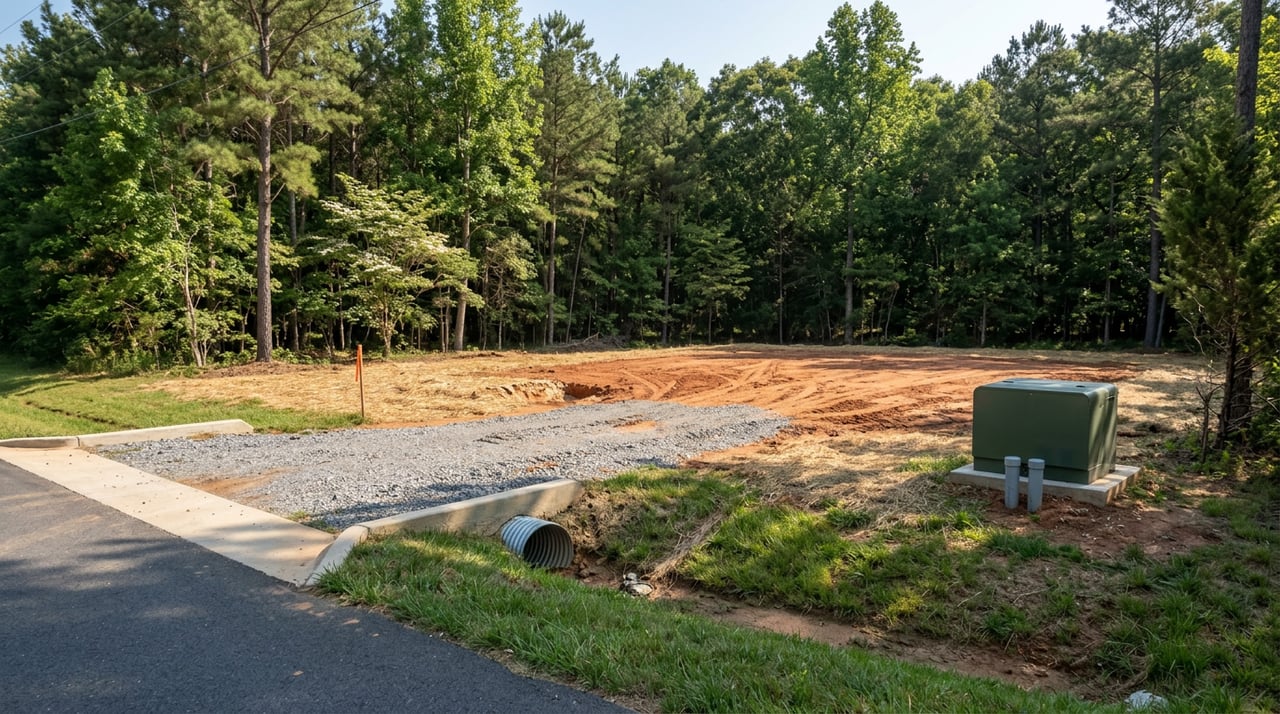
Picture-perfect acreage can hide expensive surprises. If you are eyeing land in or around the Town of Cleveland in Rowan County, a few early checks can save you months of frustration and thousands in added costs. You want a parcel that supports your plans without red tape or hidden site work. In this guide, you will learn the local rules, the must-do site checks, and a simple sequence to compare parcels with confidence. Let’s dive in.
Start with jurisdiction and zoning
Before anything else, confirm who governs the parcel. Land inside the Town of Cleveland follows town ordinances and often has different utility options than parcels in unincorporated Rowan County. Zoning controls what you can build, where you can place it, and how dense the site can be.
- Review the Town of Cleveland’s zoning ordinances if the parcel sits inside town limits. The town posts current ordinances and procedures on its site. Visit the town’s ordinances page to understand permitted uses and development rules: Town of Cleveland ordinances.
- For parcels outside town limits, check Rowan County’s zoning page for district rules, minimum lot width and frontage, setbacks, and accessory-use standards: Rowan County zoning.
- Ask the correct office for a written zoning verification. Reference North Carolina’s Chapter 160D framework when you have detailed questions since it sets the state’s planning and zoning structure.
When you speak with staff, confirm three items: permitted uses, dimensional standards, and whether there are any pending rezonings or road and utility projects that might affect value.
Confirm septic, soils, and well options
Septic feasibility is often the single biggest swing factor in land value. Rowan County’s Environmental Health office uses a three-step process for onsite wastewater: an Improvement Permit that confirms soil and layout potential, a Construction Authorization to build, and an Operations Permit after installation. Get familiar with the sequence and the typical timing here: Rowan County septic permitting overview.
North Carolina relies on professional soil evaluations rather than a single perc hole. Licensed soil scientists or Authorized Onsite Wastewater Evaluators review soil profiles, setbacks, and space for repair areas. If a site struggles to meet standards, alternatives like mound or advanced treatment units may be possible, but they add cost and ongoing maintenance.
If you will need a private well, Rowan County requires a separate permit, inspections, and water sampling that must pass state testing before completion. See application steps and contacts here: Apply for a well permit.
Budget guidance, site-specific in practice:
- Conventional septic can land in the low five figures when soils are favorable. Alternative systems and small or steep lots tend to cost more.
- Private wells can range from a few thousand dollars up to the low tens of thousands depending on depth and setup.
- Soil evaluations and reviews can take days to several weeks. Start early so your offer timeline works with county scheduling.
Check access, easements, and driveways
Make sure the parcel has both legal and physical access. A deeded easement or direct frontage on a public right of way is essential. If the only way in is across a neighbor’s land, you need a recorded easement and a clear road maintenance plan. Search the recorded deed and plat to confirm what exists today: Register of Deeds search.
If your driveway will connect to a state-maintained road, expect an NCDOT driveway or access permit. Spacing, sight distance, drainage, and possible improvements can affect time and cost, so start the conversation early. Review the policy overview for requirements: NCDOT driveway access policy.
Use Rowan County’s GIS to confirm observed right of way, road centerlines, and whether your parcel actually touches public frontage: Rowan County GIS MapViewer.
Verify utilities and tap fees
Inside Cleveland town limits, some parcels can connect to municipal water and sewer. These lots often command a premium because they avoid the uncertainty and cost of private septic and wells. Review the town’s utility guidance and contact info here: Cleveland water and sewer services.
Outside town limits, plan for a private well and septic unless a nearby system is available. For electric, gas, and broadband, ask the provider for a written service-availability letter and any line-extension estimate. For commercial or industrial uses, confirm capacity and required standards before you bid.
Map floodplains, streams, and easements
Flood zones, streams, and regulated buffers can shrink the buildable area and affect insurance. Rowan County’s GIS integrates FEMA flood data with parcel maps so you can see constraints up front. Turn on flood, topography, and aerial layers here: Rowan County GIS MapViewer.
Look for utility and conservation easements, pipeline corridors, and any recorded restrictions. If wetlands or streams appear near your intended homesite or drainfield, consider a professional delineation before you finalize your offer.
Surveys, title, and potential lot splits
Require a current boundary survey by a North Carolina licensed surveyor before closing or make it a contract contingency. A construction lender may ask for an ALTA/NSPS survey. Use the Register of Deeds to pull past plats and confirm there are no encroachments or missing easements: Rowan County recorded documents.
If you plan to divide the land, verify minimum lot area, frontage, and any required improvements with Rowan County planning. Some older lots are legal but nonconforming, and today’s subdivision rules may change how or whether you can split.
What really moves land prices here
Several site factors explain why similar-looking tracts sell for very different prices around Cleveland and rural Rowan County:
- Septic and well viability, including whether soils support a conventional system or require an engineered design.
- Utility proximity, especially the ability to connect to town water and sewer inside Cleveland.
- Legal access and complexity of NCDOT driveway approvals or long private driveways.
- Topography, rock, and grading that drive excavation and retaining wall costs.
- Floodplain or stream buffers that limit layout options and reduce usable acreage.
- Zoning entitlements, permitted uses, and minimum frontages that affect build type and density.
Budget ranges to frame your offer
Every site is unique, but these buckets help you compare true delivered costs:
- Septic system: often $6,000 to $25,000 or more depending on soils and design.
- Well drilling and pump: often a few thousand up to the low tens of thousands based on depth and geology.
- Driveway and culvert: a few thousand for a short gravel drive to significantly more for long runs or state tie-in conditions.
- Site prep and clearing: small jobs in the low thousands to higher figures if grading, erosion controls, or rock removal are required.
- House build: per square foot costs vary widely by plan and finishes. Use local builder quotes instead of a single average.
Use a 15 to 25 percent contingency for unknowns while you gather quotes from local soil evaluators, well drillers, and site contractors.
Due diligence checklist
Follow this sequence to compare parcels with less risk:
- Confirm jurisdiction and get a written zoning verification from the Town of Cleveland or Rowan County. Start here for town rules: Town of Cleveland ordinances. For county rules, see: Rowan County zoning.
- Pull the parcel in GIS. Save parcel ID, flood layer views, and topography screenshots: Rowan County GIS MapViewer.
- Order a boundary survey and review recorded deeds and plats for easements and access: Register of Deeds search.
- Schedule a soil and site evaluation and pursue the septic IP and CA if feasible: Septic permitting overview.
- If the driveway will meet a state-maintained road, contact NCDOT early for driveway permit guidance: NCDOT driveway access policy.
- Confirm water and sewer availability and request tap-fee and hookup requirements if inside town limits: Cleveland water and sewer services.
- If financing, confirm lender requirements for surveys, septic, well, and certificate of occupancy conditions.
- Get at least two local quotes for septic, well, driveway, and site prep. Build a total project budget before you write the offer.
Local contacts
- Rowan County Planning and Development, zoning and site questions: 704-216-8588.
- Rowan County Environmental Health, septic and well permits: 704-216-8525.
- Town of Cleveland Town Hall and Utilities: 704-278-4777.
- NCDOT driveway permitting, Division 9, contact the local district engineer listed in the policy document.
Ready to compare land with confidence, line up permits, and build the right budget? Let our team coordinate the local checks, connect you with trusted evaluators, and help you write a smart offer. Reach out to Sheena Shaw to schedule a consultation.
FAQs
What permits do I need to build a home on raw land in Cleveland, NC?
- You will typically need septic permits through Rowan County’s IP, CA, and OP sequence, a well permit if using a private well, and a driveway permit if connecting to a state road, plus building permits after site approvals.
How do I verify if a Rowan County lot can support a septic system?
- Schedule a soil and site evaluation with a licensed professional and apply with Environmental Health for an Improvement Permit, which confirms soils, layout, and repair areas before you buy.
What is the difference between town and county zoning near Cleveland?
- Parcels inside Cleveland follow town ordinances and may access municipal utilities, while unincorporated parcels follow Rowan County zoning rules and often rely on well and septic.
Do I need an NCDOT driveway permit for my Rowan County homesite?
- Yes if your driveway ties into a state-maintained road, since NCDOT sets spacing, sight distance, and drainage requirements that your design must meet.
How can Rowan County GIS help me compare land parcels?
- The GIS viewer shows parcel lines, observed right of way, flood zones, topography, and aerials so you can spot constraints and confirm access before you write an offer.