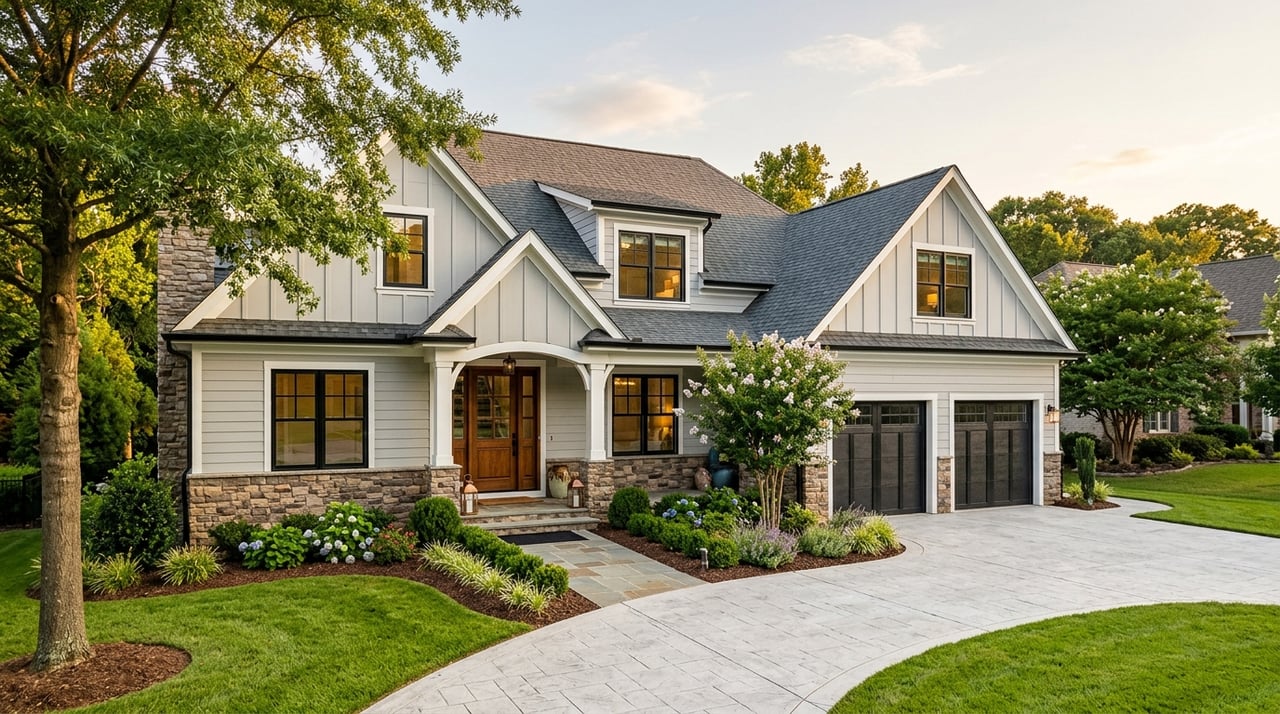
Buying a brand-new home in Troutman can feel like the best of both worlds: fresh finishes, modern systems, and a chance to get into one of Lake Norman’s fastest-changing areas. But new construction is not automatically low-risk, especially in a town managing rapid growth, major road projects, and a temporary sewer-related development moratorium. If you are considering a new build in Troutman, the smartest move is to protect yourself before you fall in love with the model home. Let’s dive in.
Why Troutman buyers need to be careful
Troutman is growing fast, and that growth affects more than home prices. According to the Town’s Mobility Plan, Troutman’s population grew 55% from 2010 to 2020, and more than 8,000 residential units were under construction, approved, or proposed in the planning area as of January 2023.
That kind of pace can create opportunity, but it also creates moving parts. The town’s planning work includes land use, transportation, public utilities, environmental concerns, and recreation, as outlined in the Future Land Use Plan. For you as a buyer, that means the neighborhood you see today may still be evolving after you close.
Troutman’s location also helps explain why new construction gets attention so quickly. You are close to Lake Norman, and Lake Norman State Park adds to the area’s outdoor appeal with trail access and a setting near North Carolina’s largest manmade lake.
Watch the road and utility timeline
In Troutman, location is not just about the lot. It is also about what is happening around the lot.
The N.C. 150 widening project began in February 2025 and includes widening from four to six lanes between Greenwood Road and U.S. 21, plus new bridges at the I-77 interchange and over Lake Norman. NCDOT also says an I-77 pavement rehabilitation project in Iredell County runs from Exit 36 to south of Exit 49 and is expected to finish in late fall 2026.
These projects can affect how your drive feels, how easily you reach nearby areas, and what traffic patterns look like after move-in. A builder’s projected convenience story may not match the real short-term construction picture, so it is worth checking current infrastructure timing before you commit.
Utilities are another major issue right now. On September 24, 2025, Troutman adopted a temporary 30-month development moratorium because sewer capacity was full, according to the Town’s Planning & Zoning page. If you are buying in a developing community, verify lot-release timing, permit status, and utility availability before you build your plans around a target closing date.
Get every builder promise in writing
One of the biggest mistakes buyers make with new construction is trusting the conversation more than the paperwork. If something matters to you, it needs to show up in the contract, plans, specifications, or a written change order.
In North Carolina, the standard NC REALTORS 800-T form is designed specifically for a spec or custom single-family dwelling on land owned or to be owned by the seller. It is very different from a typical resale contract and includes terms tied to construction, fees, timelines, and written changes.
That matters because model homes are designed to sell a lifestyle. The 800-T form says a seller may not make significant deviations from the plans and specifications without your written consent, and buyer-requested changes must be handled through a written change order that addresses pricing and other agreed terms. In plain English, verbal promises are not enough.
What should be written down
Before you sign, make sure these items are clearly documented when they apply:
- Floor plan and elevation
- Included features and finishes
- Appliance package
- Allowances for design selections
- Lot details and any site-related limits
- Upgrade pricing
- Completion timing
- Any buyer-requested changes
If you heard it in the sales office, ask where it appears in writing.
Use the pre-construction evaluation period
The pre-construction evaluation period is one of the strongest protections available to buyers. Under the 800-T contract, you can make the contract contingent on matters such as loan availability, insurance, flood insurance, street-disclosure investigation, soil suitability, utility availability, environmental restrictions, permits, flood hazard, septic approval, private well approval, zoning, restrictive covenants, architectural review, and land-use permits.
This is where due diligence becomes real protection. If required reports are not obtained by the deadline, the form says either party can terminate and the earnest money and construction fees are refunded.
For Troutman buyers, this period matters even more because local development conditions are changing quickly. A home site that looks straightforward at first glance may involve utility timing, permit questions, drainage concerns, or development rules that are better discovered before construction moves ahead.
Smart questions to ask early
Use this period to verify:
- Whether the lot is cleared for release
- Whether sewer or utility service is confirmed
- Whether permits are active or pending
- Whether HOA rules or architectural approvals apply
- Whether road or access changes could affect the property
- Whether flood, drainage, septic, or well reviews are relevant
Understand the money you put at risk
New construction often involves more than earnest money. The 800-T form states that construction fees may be paid in installments and credited to the purchase price at settlement, but they may be refundable only in limited situations.
The same form also warns that even when a buyer is legally entitled to a refund after a seller breach, actual recovery may be difficult, time-consuming, or costly if the seller does not voluntarily return the money. That is not meant to scare you. It is meant to remind you that the structure of the contract matters just as much as the design center choices.
This is one reason careful representation matters in new construction. A document-heavy transaction with deadlines, fees, and builder forms can expose you to avoidable risk if details are missed.
Do not skip independent inspections
A brand-new home should still be inspected. The North Carolina Real Estate Commission says buyers of newly constructed homes should still have a home inspection and should use a licensed home inspector.
The Commission also notes that buyers should pay attention to recommendations for specialty inspections or verifications, including wood-destroying insects, radon, surveys, moisture issues, flood concerns, septic, wells, and HOA-related questions where relevant. New does not mean perfect.
The good news is that the 800-T contract gives buyers inspection rights during construction. You or your representatives may enter the dwelling at reasonable times before closing or possession, as long as you do not interfere with construction, to inspect whether the work conforms to the plans and specifications.
Best times to inspect
If possible, do not wait for the final walkthrough. Earlier checks can help you spot issues before walls are closed or closing day gets close.
Helpful inspection points often include:
- Framing stage
- Rough-in stage
- Near-completion stage
- Final pre-closing walkthrough
Verify permits and the Certificate of Occupancy
Paperwork matters just as much as workmanship. The NCREC says a Certificate of Occupancy confirms that necessary permits were obtained, the building was inspected during construction, and the structure complies with building code.
In Troutman, the Town says residential new construction permits go through Iredell County’s Central Permitting portal and are then forwarded to Troutman staff for zoning review before the permit is issued. That local review chain is another reason not to assume every timing estimate is final until the paperwork is actually in place.
Before closing, ask for confirmation of permit status and the Certificate of Occupancy. If there is a delay, you want to know before you have movers scheduled and a lease ending.
Ask your closing attorney the right questions
In North Carolina, attorney involvement in closing is important. The North Carolina Bar says title examination should be done by a licensed North Carolina attorney or under direct supervision.
The Bar also advises buyers to ask about owner’s title insurance, easements, building and use restrictions, and HOA dues or assessments. In a newer Troutman community, those issues can affect how you use your property and what future obligations come with ownership.
Topics worth reviewing with your attorney
Ask about:
- Owner’s title insurance
- Easements affecting use or access
- Restrictive covenants
- HOA dues and assessments
- Shared infrastructure or drainage concerns
- Any recorded use limitations
Know what warranty protection you actually have
Many buyers assume every new home comes with a required one-year builder warranty. That is not exactly how it works.
According to NC REALTORS legal guidance, builders are not legally required to provide a written warranty, although many do. The current 800-T form does include a one-year limited warranty of construction unless the parties replace it with another written warranty.
That warranty covers necessary repairs or corrections caused by faulty construction, labor, materials, or non-conformity with the plans and specifications, and it survives closing. NC REALTORS also notes that North Carolina recognizes an implied warranty for original buyers of recently completed or under-construction homes built by a residential builder, but that implied warranty is limited to latent defects.
That is why records matter. If a problem appears after closing, your ability to show what was promised, what was installed, and what was noted before settlement can make a real difference.
Keep a post-closing paper trail
Once you close, do not toss the folder in a drawer and forget about it. Keep organized copies of the documents that may support you later.
Save your:
- Final plans and specifications
- Written change orders
- Inspection reports
- Certificate of Occupancy
- Warranty booklet
- Manufacturer warranties
- Termite protection guarantee and service record
- Dated punch-list items and repair commitments
The 800-T form states that the seller must correct punch-list items at seller cost within a reasonable period of time, even if unresolved punch-list items do not stop settlement after substantial completion. Good records help you follow up with clarity.
The bottom line for Troutman new construction
In Troutman, protecting your purchase is about more than choosing cabinets and paint colors. You are buying into a fast-growing area shaped by utility constraints, active road projects, and a development pipeline that is still evolving.
The best protections are not flashy. They are a contract that matches the actual build, written change orders, independent inspections, permit and Certificate of Occupancy verification, and careful attorney review before closing. If you want a calm, well-managed path through Troutman new construction, working with a local team that understands both the lifestyle and the paperwork can make the process much smoother.
If you are exploring new construction in Troutman or anywhere around Lake Norman, connect with Sheena Shaw for clear guidance, local insight, and experienced support from contract to closing.
FAQs
What should you verify before buying new construction in Troutman, NC?
- You should verify lot-release timing, utility availability, permit status, contract terms, included features, and whether a Certificate of Occupancy will be issued before closing.
Why is the NC REALTORS 800-T contract important for Troutman new construction buyers?
- The 800-T form is built for new construction and includes protections related to pre-construction evaluation, written change orders, inspections during construction, fees, and warranty terms.
Do you need an inspection on a newly built home in Troutman, NC?
- Yes. The North Carolina Real Estate Commission recommends that buyers of newly constructed homes still hire a licensed home inspector and consider any needed specialty inspections.
How can road and utility projects affect a new home purchase in Troutman?
- Ongoing projects such as the N.C. 150 widening, I-77 work, and Troutman’s sewer-capacity limits can affect access, timing, neighborhood feel, and projected closing schedules.
What documents should you keep after closing on a new construction home in Troutman?
- You should keep the plans and specifications, change orders, inspection reports, Certificate of Occupancy, warranty documents, manufacturer warranties, termite records, and punch-list communications.