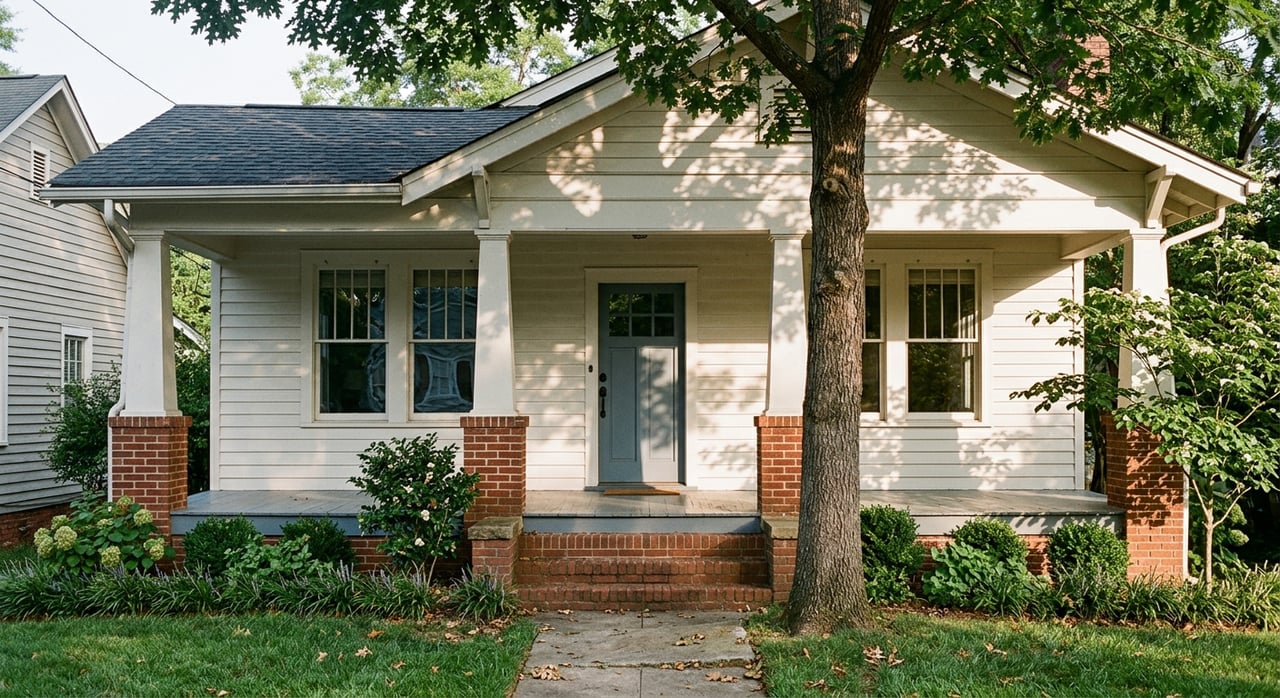
Wondering which part of Statesville fits your lifestyle best? If you are choosing between a character-filled in-town street, a newer neighborhood with a more predictable layout, or a property with room to spread out, the answer often comes down to how you want to live day to day. This guide breaks down the three main neighborhood styles in Statesville so you can compare the feel, the tradeoffs, and the practical details that matter most before you buy. Let’s dive in.
How Statesville Neighborhood Styles Differ
In Statesville, housing choices tend to fall into three practical settings. You will usually see older in-town areas near downtown and the historic districts, newer subdivision-style neighborhoods around the city’s edges and in county areas, and larger-acreage properties on the rural fringe.
What matters most is not just the look of the homes. Your experience as a buyer can change based on preservation rules, subdivision standards, and whether a property relies on public utilities or needs well and septic review.
Historic In-Town Statesville
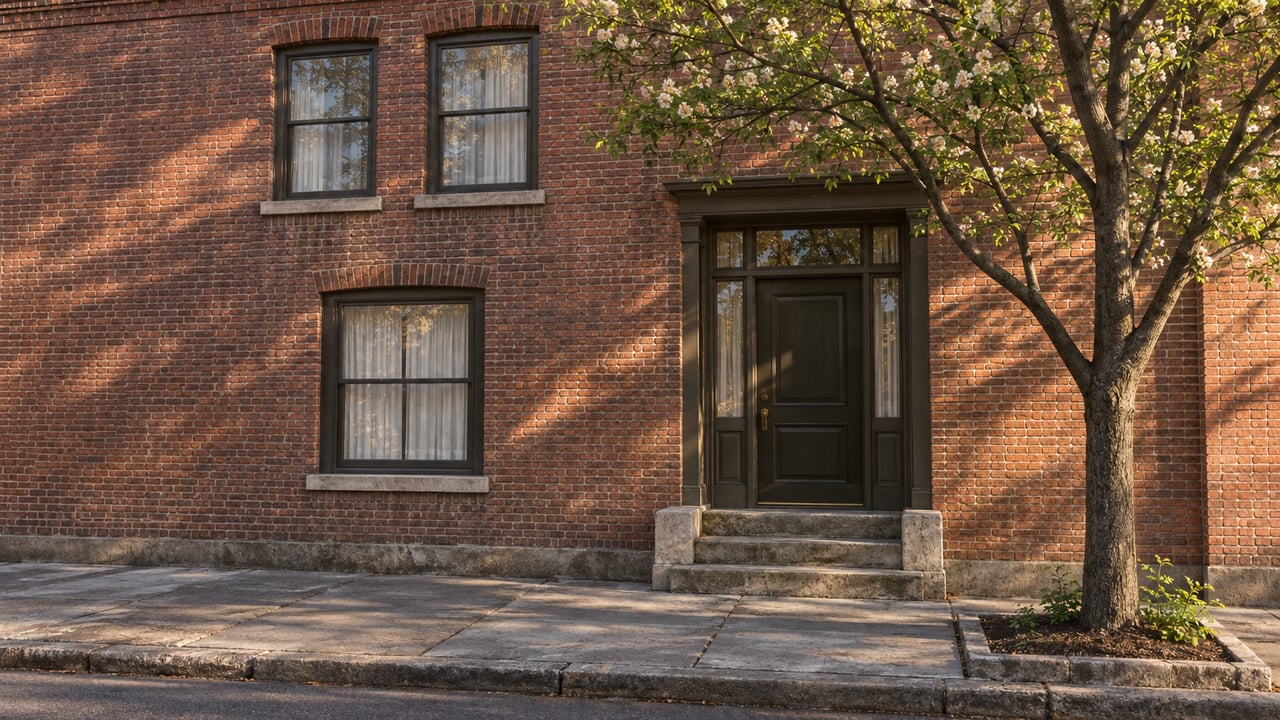
If you love character, established streets, and being closer to a walkable core, historic in-town Statesville is often the most appealing option. This part of the market offers a different feel from newer neighborhoods because the homes, blocks, and daily rhythm are shaped by the city’s older development pattern.
Downtown Access and Daily Convenience
Downtown Statesville offers a mixed-use historic business district with more than 350 shops, restaurants, services, businesses, professionals, and organizations. The area also includes public parking, pedestrian-friendly access, arts, music, and recurring events.
For you as a buyer, that can mean shorter daily trips and a more connected routine. If you want errands, dining, and local events closer to home, this setting stands out.
Historic Homes and Architectural Variety
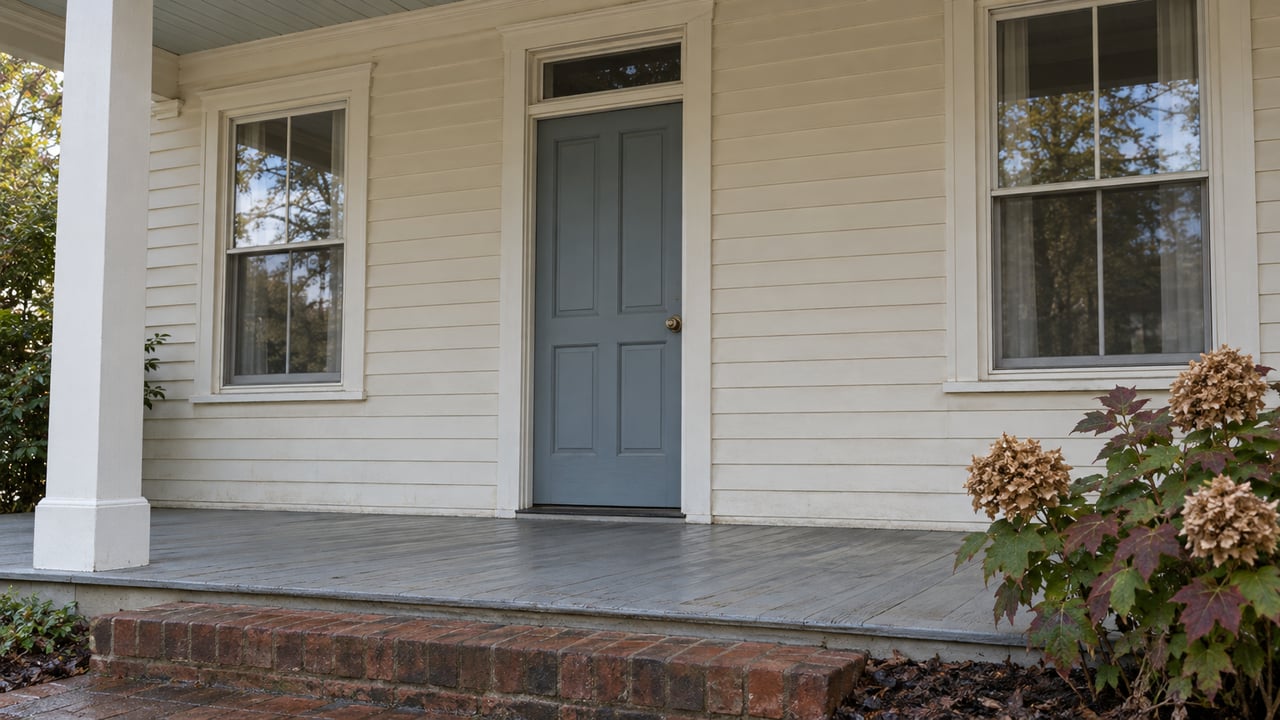
The historic residential areas around downtown bring a layered streetscape that is hard to replicate in a newer development. In the East Broad Street and Davie Avenue Historic District, many homes date from about 1880 to 1918, with styles influenced by Gothic Revival, Italianate, Queen Anne, Colonial Revival, Neoclassical Revival, Elizabethan Revival, Tudor Revival, and Bungaloid design.
That mix creates visual variety from one block to the next. Instead of a uniform neighborhood pattern, you are more likely to find older materials, distinct facades, and homes with their own personality.
Historic District Rules to Know
Statesville identifies several historic districts, including Academy Hill, Mitchell College, Race Street, Davie Avenue/Broad Street, Downtown Statesville Commercial District, and Garfield/Green Street. Properties in local historic districts are subject to city-adopted guidelines, and certain exterior changes in downtown commercial districts are reviewed by the Downtown Design Review Committee.
That does not make historic ownership harder, but it does make changes more deliberate. If you are drawn to historic charm, it is smart to balance the appeal of character with the added design oversight that may come with the property.
Newer Suburban Statesville
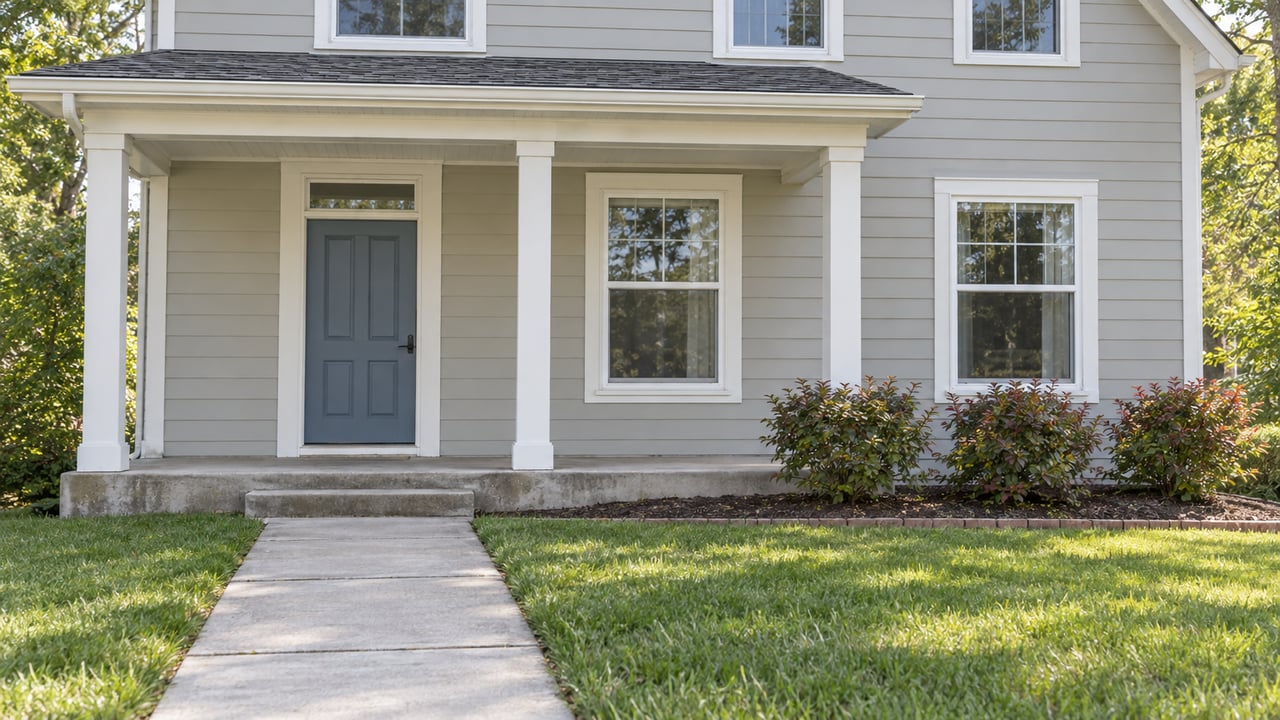
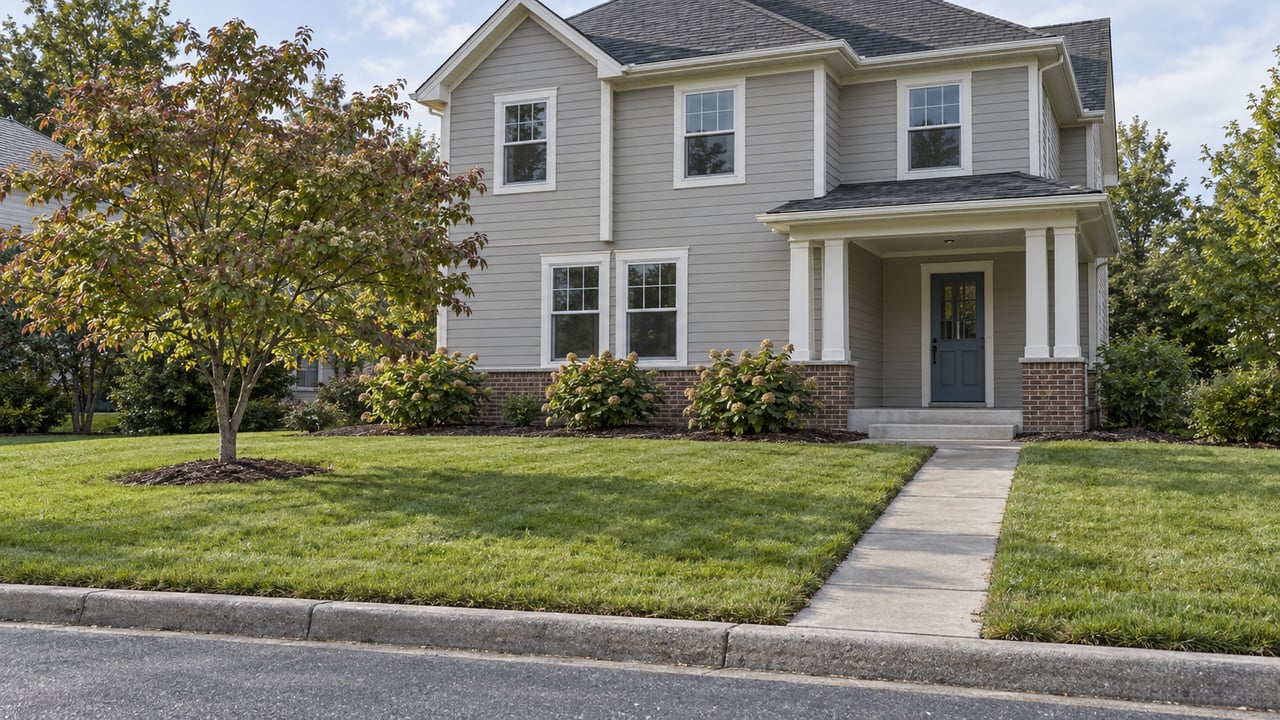
If you want a neighborhood that feels more standardized and predictable, newer suburban-style development may be the best fit. In and around Statesville, this housing pattern is shaped less by one defining style and more by subdivision layout, lot standards, and road design.
Why Newer Neighborhoods Feel More Consistent
Iredell County says its Land Development Code sets procedures and standards for land subdivision to support orderly growth and adequate infrastructure. These rules apply outside municipal limits and municipal ETJ areas, though standards can vary by project and may connect with erosion control, floodplain development, fire protection, and NCDOT road construction.
In practical terms, this often creates a more consistent neighborhood pattern. Even when home styles vary, the lots, frontage, and street layout may feel more predictable than an older in-town block.
What Buyers Should Verify
A newer-looking neighborhood does not always mean the same rules apply everywhere. Iredell County notes that lot size and road frontage depend on the local jurisdiction, which is why buyers should verify the details instead of assuming every subdivision follows the same framework.
The county’s GIS and mapping tools can help you review parcels, streets, addresses, zoning, city limits, and the county line. The data are updated monthly, which makes them useful when you want a clearer picture of where a property sits and which standards may apply.
Best Fit for Everyday Lifestyle
Suburban-style neighborhoods often work well if you want a balance of convenience and structure. You may prefer this setting if you like a more familiar neighborhood pattern, easier comparison between homes, and a road-focused routine that still keeps you connected to the rest of Statesville.
Acreage and Rural-Edge Properties
If privacy and space top your list, acreage properties on the rural edge of Statesville can be very appealing. These homes shift the conversation from architecture alone to land use, property boundaries, and site readiness.
More Space, More Due Diligence
Acreage living usually offers more room between homes and more flexibility in how the land supports your lifestyle. At the same time, rural-edge properties often require more upfront review than an in-town or subdivision home.
Iredell County’s health department says buyers of new or replacement homes with existing septic systems should review the septic permit, confirm the proposed house does not encroach on the system, and obtain environmental health approval for required well and septic setbacks before a building permit is issued.
Septic, Well, and Survey Checks
The county also says property corners must be survey staked and that mow lines or fence lines are not verifiable boundaries. That is an important point if you are buying land or comparing large parcels, because visual cues on the ground may not reflect the legal boundary.
For many acreage buyers, the site itself becomes part of the decision. You are not only evaluating the house, but also the usable area, access, setbacks, and how the parcel supports your plans.
Mapping Matters More on Large Parcels
Iredell County’s land records division uses GIS to maintain acreage, owner, value, and zoning information for tracts of land. Public mapping tools also include floodplain and topo layers, which can be especially helpful when a parcel’s boundaries and buildable area are central to its value.
That extra prep work is often worth it if you want more privacy, flexibility, and a less compact setting. For the right buyer, acreage offers a lifestyle that feels very different from both downtown and subdivision living.
Commute and Lifestyle in Statesville
Statesville is a road-first market, and that shapes daily life across all three neighborhood styles. The Statesville Regional Airport notes that the area sits along I-40 and I-77, with access to other major highways including I-85, I-95, I-81, I-20, and I-26.
NCDOT also describes the I-40 and I-77 interchange in Statesville as a key connection point for two of North Carolina’s busiest highways. Recent work there widened both interstates and improved Broad Street and U.S. 64 connections.
How Access Changes by Neighborhood Style
Historic in-town living can support more downtown errands, local events, and short trips. Newer suburban living tends to center on neighborhood convenience and straightforward road access.
Acreage living is usually the most drive-dependent of the three. That does not make it less attractive, but it does mean your daily routine may depend more on trip planning and travel time.
Parks, Greenways, and Recreation
Statesville also offers a strong mix of outdoor amenities that support different lifestyles. The city says it has more than 20 parks and properties, with walking and biking trails, playgrounds, courts, and disc golf.
Its greenway network currently totals 6 miles across four sections and is intended to connect into one continuous trail that eventually encircles the city. Combined with the downtown business core, these amenities give you more than one way to enjoy living in Statesville.
Quick Way to Choose Your Best Fit
If you are comparing neighborhood styles, a simple framework can help:
- Historic in-town Statesville fits buyers who value character, older homes, and downtown access.
- Newer suburban Statesville fits buyers who want a more predictable layout and neighborhood pattern.
- Acreage and rural-edge Statesville fits buyers who prioritize privacy, land, and flexibility.
The biggest practical differences usually come down to these issues:
- Historic areas: preservation guidelines and exterior review
- Suburban areas: subdivision standards, frontage, and jurisdiction details
- Acreage properties: septic, well, survey, zoning, and site-readiness review
When you match the property type to your daily routine, your search gets a lot clearer. That is where local guidance can make a real difference, especially when you are comparing more than just price and square footage.
If you want help narrowing down the right fit in Statesville, Sheena Shaw can help you compare neighborhood style, land use, and lifestyle so you can move forward with confidence.
FAQs
What are the main neighborhood styles in Statesville, NC?
- Statesville housing choices generally cluster into three settings: historic in-town areas near downtown, newer suburban-style neighborhoods, and rural-edge acreage properties.
What makes historic neighborhoods in Statesville different?
- Historic in-town Statesville stands out for older homes, architectural variety, closer-in blocks, and city-adopted historic district guidelines that can affect exterior changes.
What should buyers know about newer suburban neighborhoods in Statesville?
- Buyers should know that newer neighborhoods often feel more predictable in layout, but lot size, road frontage, and development standards can vary by jurisdiction and project.
What should buyers check before buying acreage in Statesville?
- Buyers should review septic permits, confirm well and septic setback requirements, verify survey-staked property corners, and use parcel mapping tools to understand zoning, floodplain, topo, and buildable area.
Is Statesville a good fit for commuters?
- Statesville is well connected by I-40 and I-77, and its road network makes it practical for drivers, though daily travel needs can vary depending on whether you choose in-town, suburban, or acreage living.
What lifestyle benefits does downtown Statesville offer?
- Downtown Statesville offers a mixed-use setting with shops, restaurants, services, events, public parking, and pedestrian-friendly access that can support a more connected daily routine.