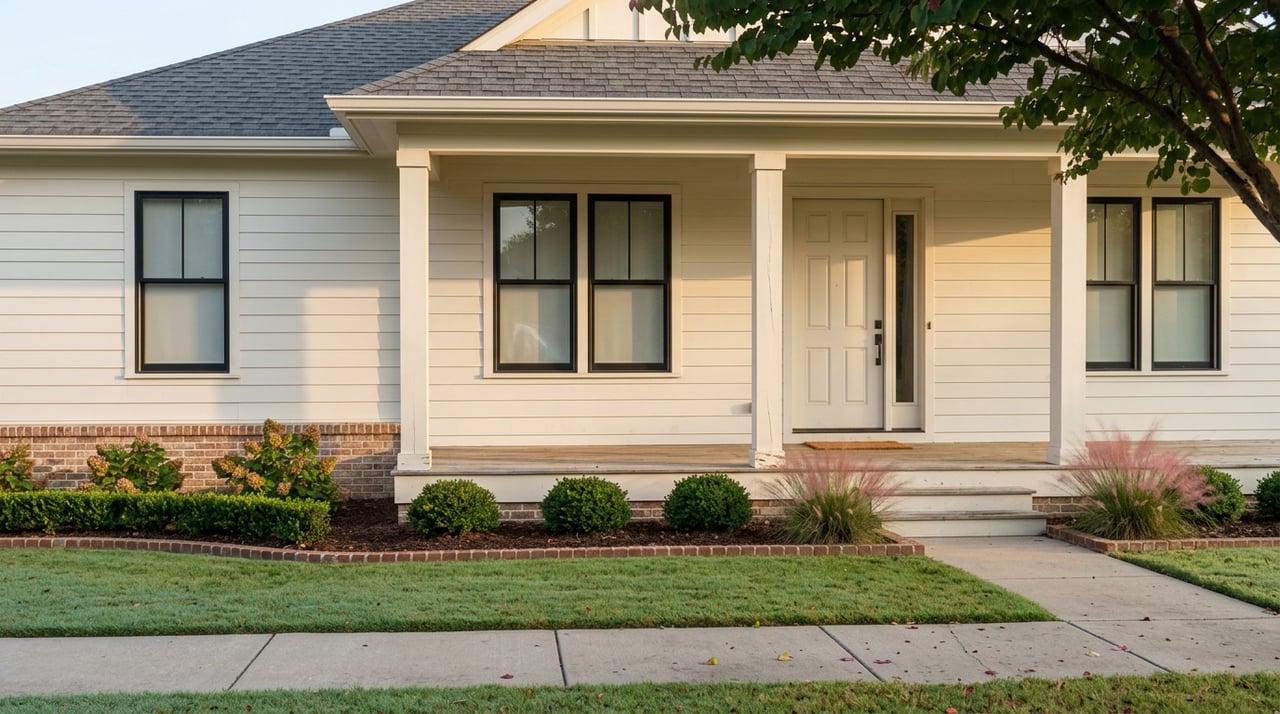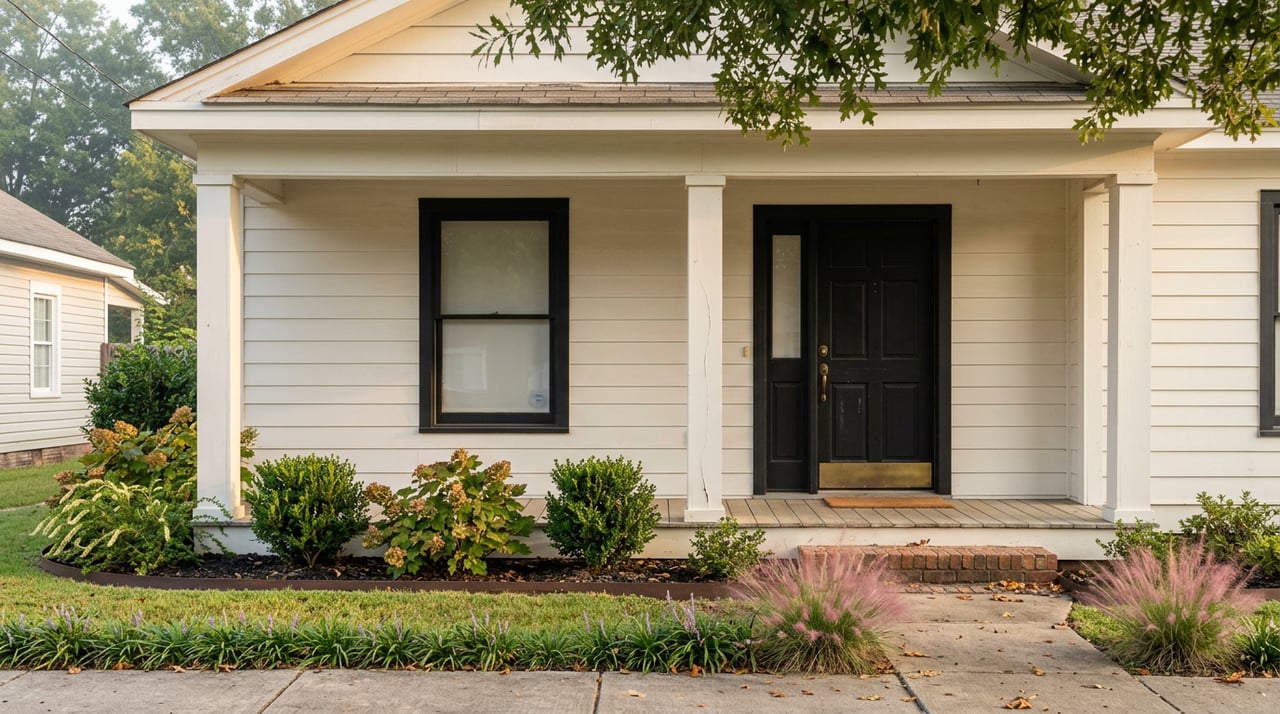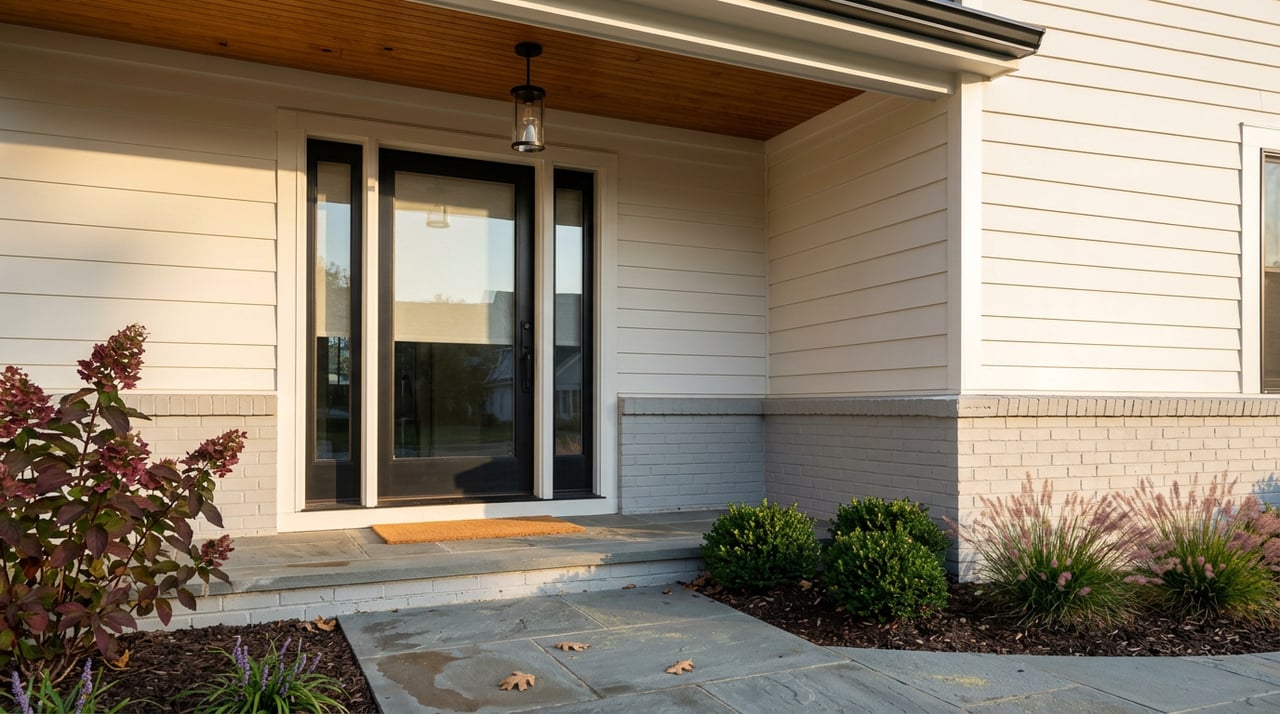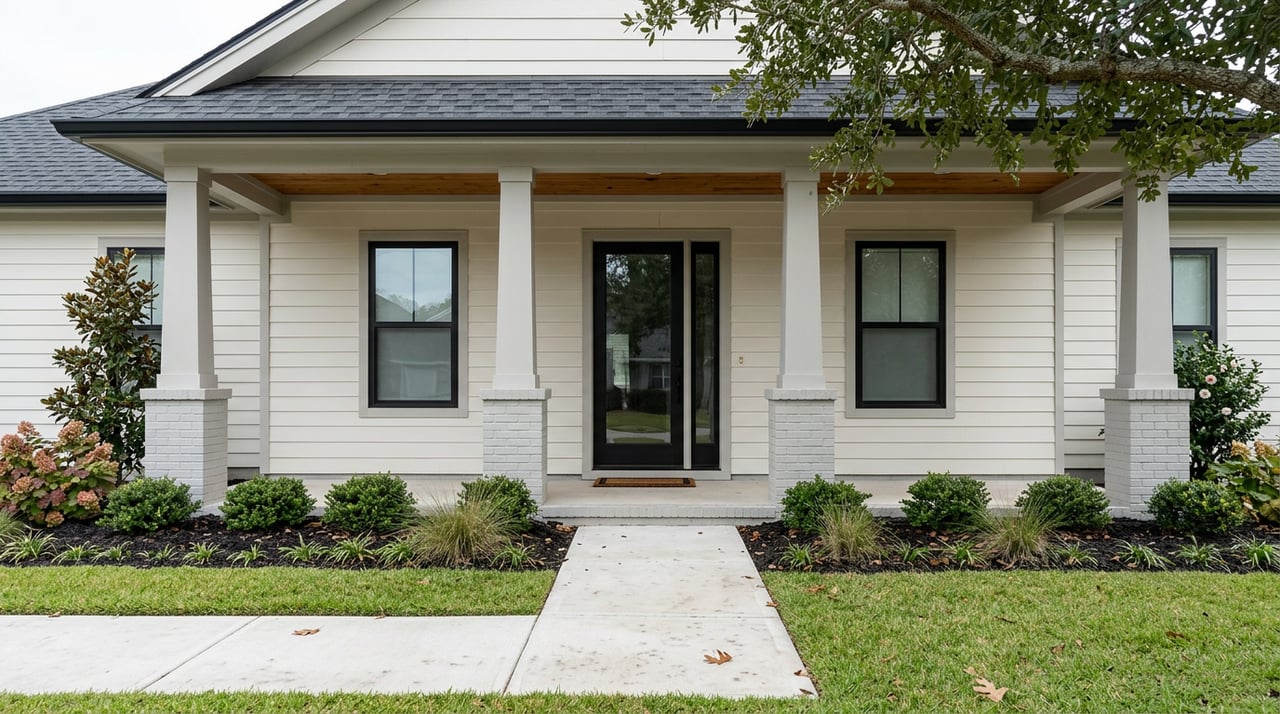
A well-staged Wilmington listing used to carry itself. Fresh paint, a coat of pine straw, a competent photographer, and the Cape Fear market did the rest. That version of the sale is over for now.
The homes closing at strong numbers this summer are not the prettiest ones. They are the ones whose sellers understood, before the sign went in the yard, that a Wilmington transaction is a coastal transaction, and that a buyer's affordability math, disclosure review, and due-diligence checklist look nothing like the same exercise inland. Miss one of those details and the market punishes you on price. Handle them, and a slower cycle actually works in your favor.
The Number That Now Sits Behind Every Wilmington Offer
Start with the piece most sellers never see coming: what your buyer's insurance quote does to their offer.
Along the North Carolina coast, wind and hail coverage is often stripped out of the base homeowners policy and written separately, sometimes through the North Carolina Insurance Underwriting Association, the state's coastal wind pool. Depending on where you live and the insurance company's underwriting guidelines, windstorm and hail coverage may be excluded from the primary residential property insurance policy, and some property owners must purchase a separate windstorm and hail policy with its own deductible, often written by the North Carolina Insurance Underwriting Association, also known as the Coastal Property Insurance Pool.
That separate policy carries a percentage-based deductible, not a flat dollar figure. Unlike a standard homeowner's deductible, wind and hail deductibles are often calculated as a percentage of the home's insured value, so a home insured for $300,000 with a 2% wind/hail deductible would require the homeowner to pay $6,000 out of pocket before insurance coverage begins. Push that to 5% on a higher-value home and the exposure grows fast:
| Dwelling coverage | 1% deductible | 3% deductible | 5% deductible |
|---|---|---|---|
| $400,000 | $4,000 | $12,000 | $20,000 |
| $700,000 | $7,000 | $21,000 | $35,000 |
| $1,200,000 | $12,000 | $36,000 | $60,000 |
Now layer on rates. Beach County homeowners from Carteret to Brunswick counties experienced 16% increases in 2025 and face another 15.9% increase in 2026. Statewide, the average North Carolina homeowners policy went up 7.5% effective June 1, 2025, with another 7.5% slated for June 1, 2026, adding roughly $180 to $245 in year one alone on a $300,000 home. Roofs matter too: homes with roofs over 20 years old face higher premiums or coverage restrictions, and salt air and humidity along the coast accelerate roof deterioration.
The reason this belongs in a seller's pre-list conversation, not their post-contract one, is simple. A Wilmington buyer today runs the insurance quote before they finalize an offer, not after. If your roof is 22 years old and your quote comes back with a 5% named-storm deductible, the buyer's monthly payment shifts, their comfort with your price shifts, and the offer arrives 3% to 5% lower than the comps would otherwise suggest. Replacing a roof, documenting recent wind mitigation work, or pricing the home to the insurance reality your buyer will actually be quoted is where sellers are protecting value this cycle.
Your Dock, Your Bulkhead, Your CAMA File
Water frontage is the second place where the coastal detail sneaks up on a Wilmington seller.
Any recent shoreline work on the property likely required a Coastal Area Management Act permit through the local permit officer. In New Hanover County, a project probably sits in an Area of Environmental Concern and requires a CAMA minor permit if it is in or on the waters of the state, on a marsh or wetland area, within 75 feet of the normal high water line along the estuarine shoreline, within 30 feet of the normal water level of inland fishing waters, or within 575 feet of the mean high water line along the shoreline of an Outstanding Resource Water. Minor permits typically expire on December 31 of the third year following the year of permit issuance, and the Wilmington office of the Division of Coastal Management can be reached at 910-796-7215.
Buyers with experienced agents ask for the permit paper trail during due diligence. If a prior owner rebuilt a bulkhead in 2018 without one, that paperwork gap becomes your negotiation point, not theirs. Pulling records early through the New Hanover County CAMA Permit Program and the state Division of Coastal Management is a two-hour job that can protect five figures in price.
The Sunroom, the Bonus Room, and the Disclosure Statement
The most common problem in a Wilmington seller file has nothing to do with the coast. It is an addition, a garage conversion, or a screened room that was finished by a previous owner without a permit, and the current seller has no idea.
North Carolina law is direct here. The Residential Property Disclosure Act, codified as North Carolina G.S. 47E, requires the seller of residential real estate to complete the Residential Property and Owners' Association Disclosure Statement, detailing any facts they are aware of that negatively affect the property. State law requires permits for most construction, reconstruction, alterations, and additions, and Wilmington is explicit that a building permit is required for additions, alterations, expansions, and remodels; work done without one can trigger a stop-work order, penalties, or required corrections.
The marketing rules are equally strict. Industry guidance in North Carolina is clear: if a house totals 3,475 square feet but 850 square feet were added without a permit, a broker can only show the full number if the unpermitted portion is clearly identified as such. This protects both parties and reduces appraisal confusion. And the buyer has a three-day right to terminate a sales contract if the seller fails to deliver the disclosure statements before the buyer makes an offer.
If a Wilmington seller finds unpermitted space during listing prep, three paths generally exist:
- Retroactive permit. Apply with the City of Wilmington or New Hanover County, open the walls where inspectors need to see framing and electrical, and legalize the space. Highest cost, highest final value.
- Sell as-is with clear disclosure. Answer honestly on the RPOADS, mark the unpermitted area on the listing sheet, and let the market price the risk. Fastest, most transparent, usually a discount.
- Price adjustment or seller credit. Estimate the legalization cost and give the buyer the money to do it themselves after closing, with the scope spelled out in the diligence agreement.
The North Carolina Real Estate Commission's own disclosure form is the document your listing agent will hand you on day one. Filling it out from memory, without checking permits at the county, is where sellers create liability they did not need.
Why a 72-Day Market Rewards This Work
None of the above mattered as much in 2022. Buyers waived diligence, skipped questions, and closed. That market is not the one you are selling into.
As of July 2026, one live data set shows Wilmington with 87 active listings against 56 pending, a median sold price of $461,500 over the trailing six months, and a median active listing age of 32 days. Broader metro data tells the same story: over the three months ending May 2026, homes in Wilmington received about 2 offers on average and sold in around 57 days, at a median sale price of $479,000, up 5.4% year over year. One local brokerage puts average days on market for the wider Wilmington area at 72 days, with inventory grown significantly across the region.
A 32-to-72-day window is not a slow market. It is a market that gives buyers time to underwrite the details a fast market forced them to ignore. That is exactly where the coastal-transaction details start deciding price.
Builders are compounding the pressure. From Wilmington to Leland to Hampstead, builders are offering incentives that create strong competition for resale homes, and a resale property that is not positioned correctly on price often loses out regardless of how nice it is. A resale seller who has already resolved the insurance question, the CAMA question, and the disclosure question shows up to that competition with a cleaner file than the builder does.
A Short FAQ
Do I have to pay for a wind and hail policy myself before selling? No. The seller carries their own coverage until closing. The reason to understand the buyer's likely quote is that it shows up inside their offer. Documented roof age, impact-resistant windows, and wind mitigation upgrades all give the buyer a better quote and give you a better price.
What if I genuinely do not know whether a prior owner permitted an addition? Answer "no representation" where the RPOADS allows it, then verify through the county. Even when a seller picks "No Representation," they may not mislead or conceal material facts, and the broker must also disclose material facts to buyers. Verifying is almost always cheaper than not.
Is the "as-is" sale a way to skip disclosures? Even when selling a home as-is in North Carolina, sellers are still required to be truthful and transparent about what they know. As-is limits repair negotiations, not honesty.
Are flood questions the same as wind and hail questions? No. Flood is a separate policy through the National Flood Insurance Program, on its own map, with its own rules. Wind and hail is what most Wilmington sellers underestimate because it looks like ordinary homeowners coverage until the deductible line.
If you are thinking about listing on the New Hanover or Brunswick side of the Cape Fear in the next twelve months, the pre-list conversation is where the money is made this year. Sheena Shaw and The Hometown Team walk sellers through the insurance, permit, and disclosure file before the photographer is ever booked, so the price on the sign is one the market can defend. Schedule a Consultation when you are ready to see what your Wilmington home actually looks like to a 2026 buyer.